Crowns and Bridges
Table Of Contents
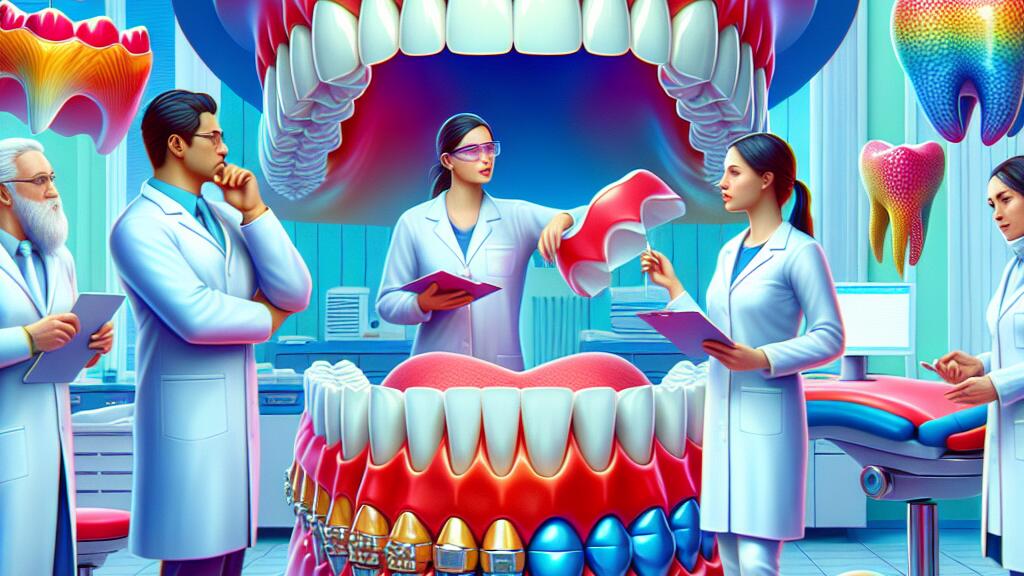
At Smiles For Miles Dentistry in Wisconsin, we specialize in providing top-notch crowns and bridges to enhance your smile and restore your dental health. Our crowns are custom-designed to cover damaged or decayed teeth, offering strength and protection while blending seamlessly with your natural teeth. Bridges, on the other hand, serve as an ideal solution for filling gaps left by missing teeth, effectively preventing further dental issues and improving your bite. With our commitment to patient comfort and satisfaction, our experienced team employs the latest techniques and high-quality materials to ensure that each crown and bridge not only looks beautiful but also functions optimally. Trust us to help you achieve a confident, radiant smile that lasts for miles!
The Dental Bridge Process
The dental bridge process begins with a thorough examination and consultation to determine the best approach for the patient’s needs. X-rays and impressions of the teeth will be taken. This information helps the dentist create a customized treatment plan, ensuring proper alignment and fit for the bridge. Often, the adjacent teeth will be prepared by removing a portion of their enamel. This allows the bridge to securely anchor onto these teeth, known as abutments.
The next step involves the creation of the bridge itself, which is typically made from materials like porcelain, metal, or a combination of both. Once the bridge is ready, the dentist will place it over the abutment teeth and make any necessary adjustments to ensure comfort and functionality. Temporary crowns may be used to protect the abutments until the permanent bridge is ready. After the final fitting, the bridge will be permanently cemented in place, providing both a functional and aesthetic enhancement to the patient's smile.
What to Expect During the Procedure
Patients usually begin the procedure with a thorough consultation where the dentist evaluates their oral health and discusses the treatment plan. Local anesthesia is commonly administered to ensure comfort throughout the process. The dentist will prepare the affected tooth or the area where the bridge will be placed, which often involves reshaping the tooth to accommodate the crown or the supporting structure for the bridge.
After preparation, the dentist takes impressions of the teeth to create custom crowns or bridges that fit precisely in the mouth. Temporary crowns or bridges may be provided while waiting for the permanent ones to be made. The final placement typically occurs during a follow-up appointment. Once the permanent restoration is ready, the dentist checks the fit and aesthetics before securely attaching it, ensuring that it blends seamlessly with the remaining teeth.
Crowns vs. Bridges
Understanding the differences between crowns and bridges is essential for making informed decisions about dental work. Crowns are primarily used to cover or cap a damaged tooth, restoring its shape, size, and strength while improving its appearance. They can be made from various materials, including porcelain, metal, or a combination of both. In contrast, bridges are used to replace one or more missing teeth by anchoring onto adjacent natural teeth or dental implants. This option fills gaps and helps maintain facial structure and alignment, ensuring that chewing and speaking functions remain intact.
When considering crowns versus bridges, various factors come into play. The condition of the existing teeth often determines the best approach; crowns may be ideal for teeth that are structurally compromised, while bridges address gaps left by missing teeth. Cost considerations and longevity of the dental work also factor into the decision. Consulting with a cosmetic dentist can provide clarity on which option—crowns or bridges—best aligns with an individual’s dental health needs and aesthetic desires.
Factors to Consider When Choosing
When deciding between crowns and bridges, it is essential to assess the extent of tooth damage or loss. Crowns are ideal for protecting a damaged tooth that can still be saved, while bridges effectively fill the space left by one or more missing teeth. The condition of the surrounding teeth also plays a critical role, as they may need to be altered to support a bridge, whereas crowns focus on individual teeth.
A patient's overall oral health is another important consideration. Those with gum disease or insufficient bone structure may not be suitable candidates for bridges, which rely on adjacent teeth for support. Additionally, lifestyle factors such as diet and hygiene habits influence the longevity and effectiveness of either option. Evaluating all these aspects ensures that the chosen solution meets both functional and aesthetic needs.
Maintaining Crowns and Bridges
Proper care is essential for ensuring the longevity of dental crowns and bridges. Regular dental check-ups play a crucial role in maintaining the integrity of these restorations. During these visits, a dentist can assess any changes and address potential issues before they become significant problems. Patients should also be vigilant about their oral hygiene routines at home, brushing at least twice a day and flossing daily to remove plaque and debris that can accumulate around these restorations.
Diet can also impact the durability of crowns and bridges. Avoiding hard or sticky foods can help prevent damage. Additionally, patients should refrain from using teeth as tools, such as opening bottles or tearing packages, which could compromise both crowns and bridges. Staying mindful of these factors not only preserves the appearance of dental work but also contributes to overall oral health.
Best Practices for Oral Care
Proper oral hygiene plays a crucial role in extending the lifespan of crowns and bridges. Regular brushing is essential; use a soft-bristled toothbrush and fluoride toothpaste to clean the surfaces of these dental restorations and surrounding teeth at least twice a day. Flossing daily will help remove plaque and food particles from between teeth and under the gum line, areas that a toothbrush cannot reach. Incorporating an antibacterial mouthwash can also aid in reducing harmful bacteria and promoting a healthier oral environment.
Visiting a cosmetic dentist for routine check-ups is vital in maintaining your dental work. Professionals can identify any issues early on, ensuring both crowns and bridges remain in optimal condition. Additionally, discussing any concerns about discomfort or changes in fit can lead to timely solutions. Staying mindful of dietary choices is equally important; avoid sticky or hard foods which could potentially damage your restorations. Regularly implementing these practices will contribute significantly to your overall dental health.
FAQS
What is the difference between a crown and a bridge?
A crown is a dental restoration that covers a single tooth, while a bridge is used to replace one or more missing teeth by anchoring to adjacent teeth.
How long does the dental bridge process take?
The dental bridge process typically takes two visits: the first for tooth preparation and impressions, and the second for placing the bridge, which can happen a few weeks later.
Are crowns and bridges permanent solutions?
While crowns and bridges are designed to be durable and long-lasting, they may eventually need replacement or repair due to wear and tear over time.
How should I care for my crowns and bridges?
Maintain good oral hygiene by brushing twice a day, flossing regularly, and visiting your dentist for routine checkups to keep your crowns and bridges in optimal condition.
Can I get a dental bridge if I have gum disease?
It is crucial to address any gum disease before getting a dental bridge, as healthy gums are necessary for the successful placement and longevity of the restoration.
Served areas in Milwaukee:
Beerline BBrady Street
Bronzeville
Cesar E. Chavez Drive
Center Street Marketplace
Commission Row
Deer District
Downer Avenue
Dretzka Park
East Village
Granville
Hillside Interchange
Historic Water Tower Neighborhood
Lake Interchange
Lindsay Heights
Marquette Interchange
Mitchell Interchange
North Interchange
Park East
River Ridge
Riverview
Stadium Interchange
The Brewery
Theater District
University Hill
West End
Westlawn
West Granville
Zoo Interchange
Served areas in Wisconsin:
West MilwaukeeSouth Milwaukee
Related Links
What is a crown and a bridge?How long do dental crowns and bridges last?
What are the benefits of crowns and bridges?
What is more expensive, a crown or a bridge?